DAVID MCDERMOTT
FROM NATUTRE & IN THE LIGHT OF TIME
10 NOVEMBER - 9 JANUARY 2027
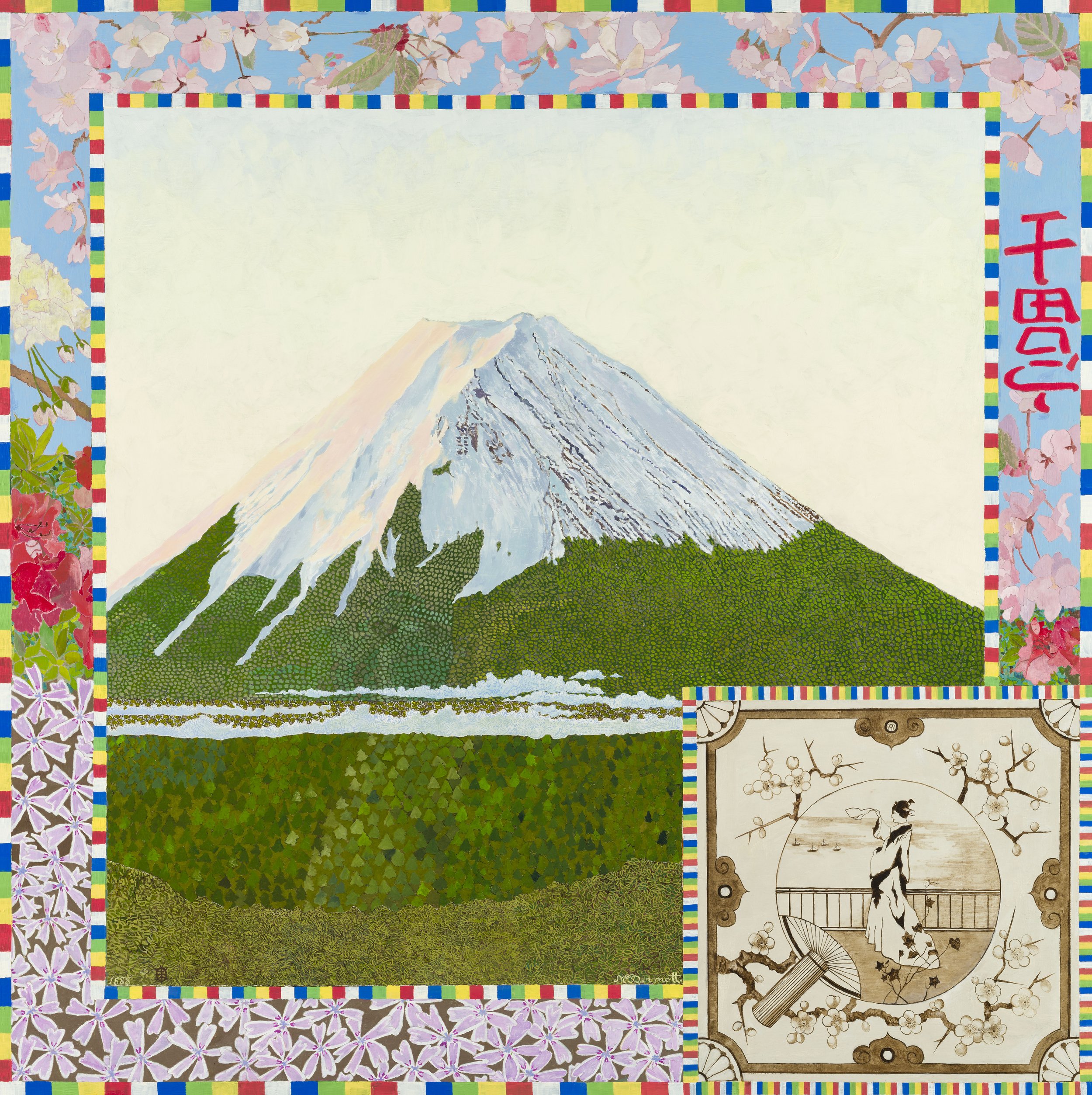
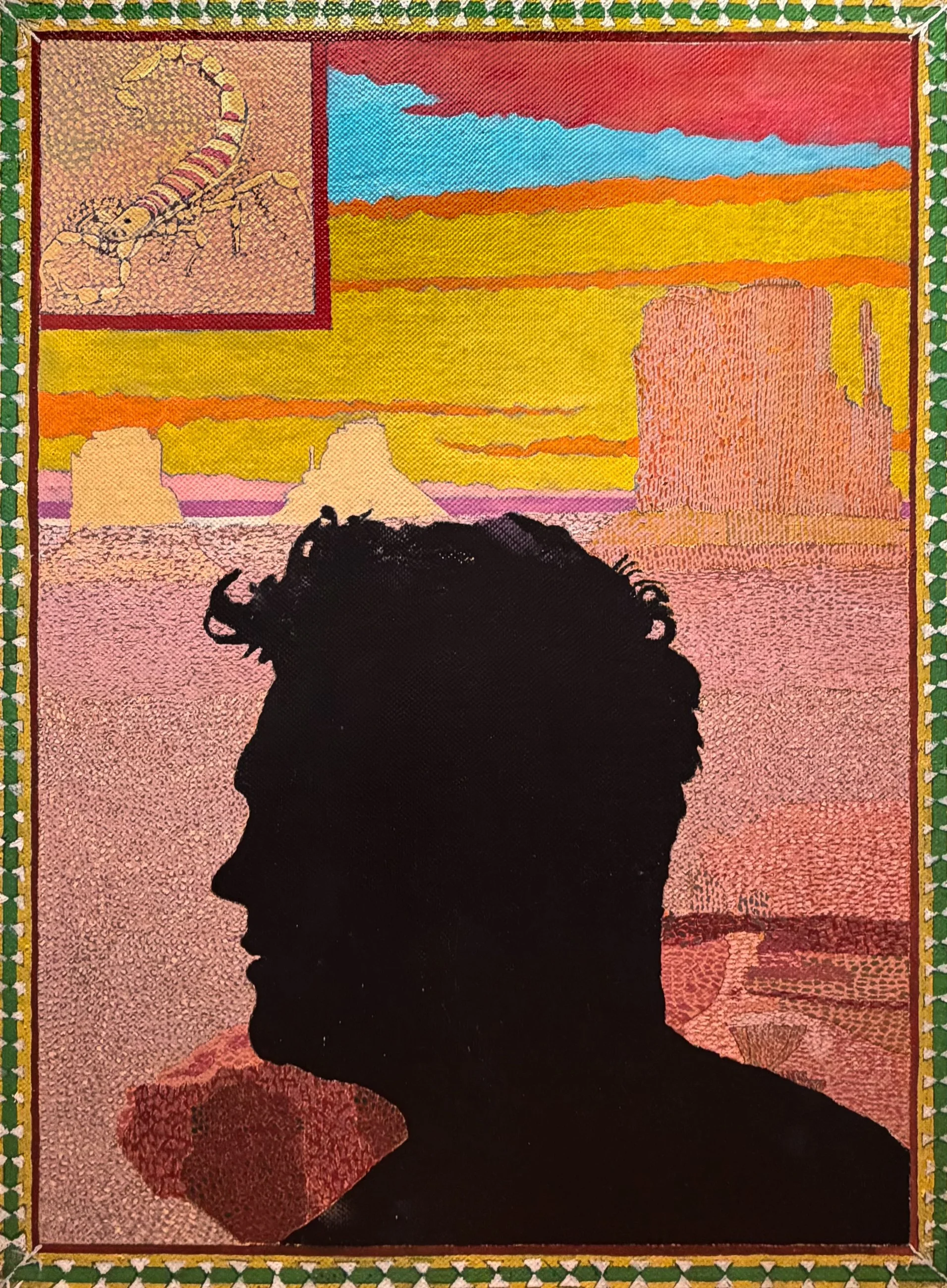
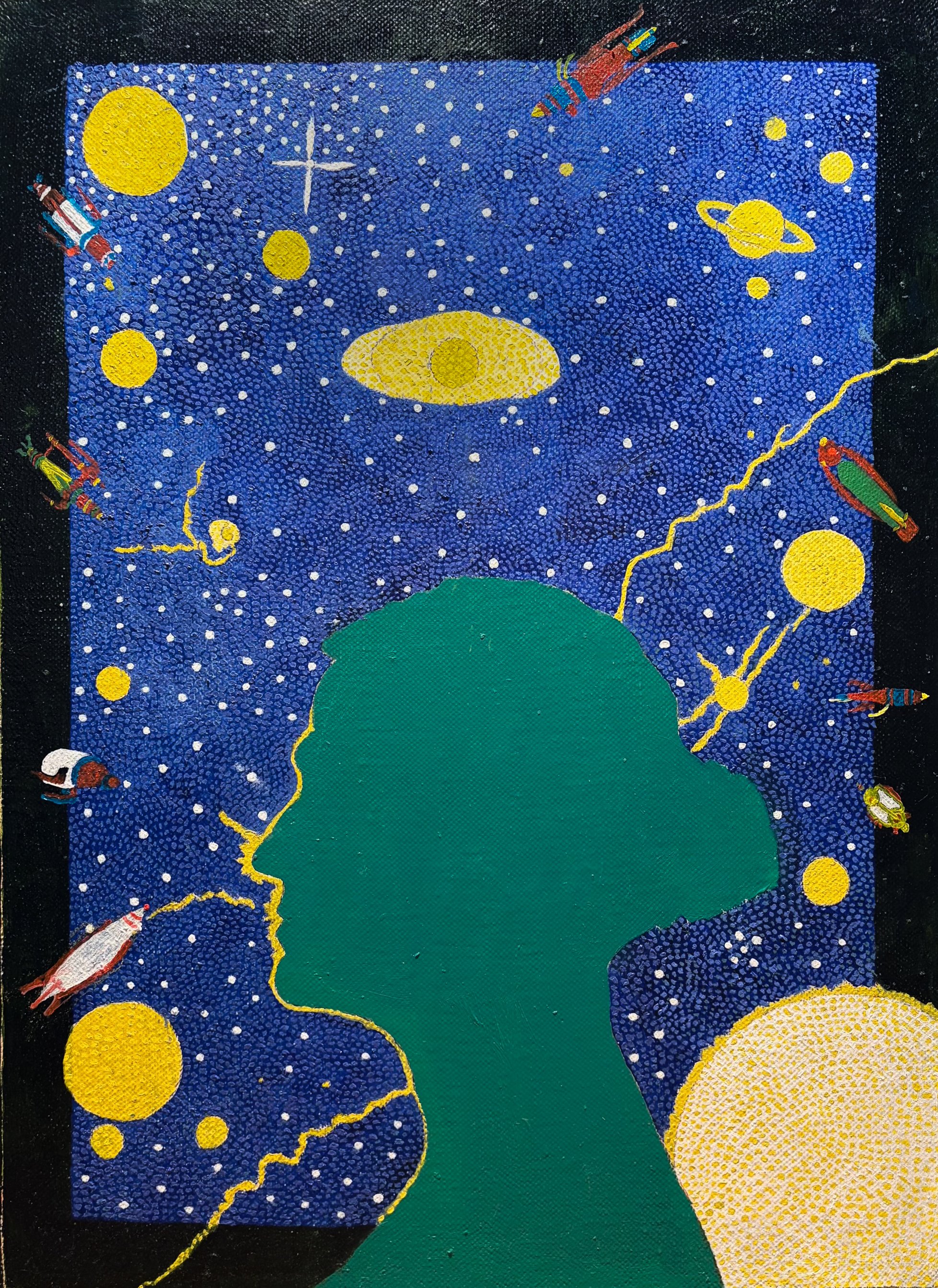
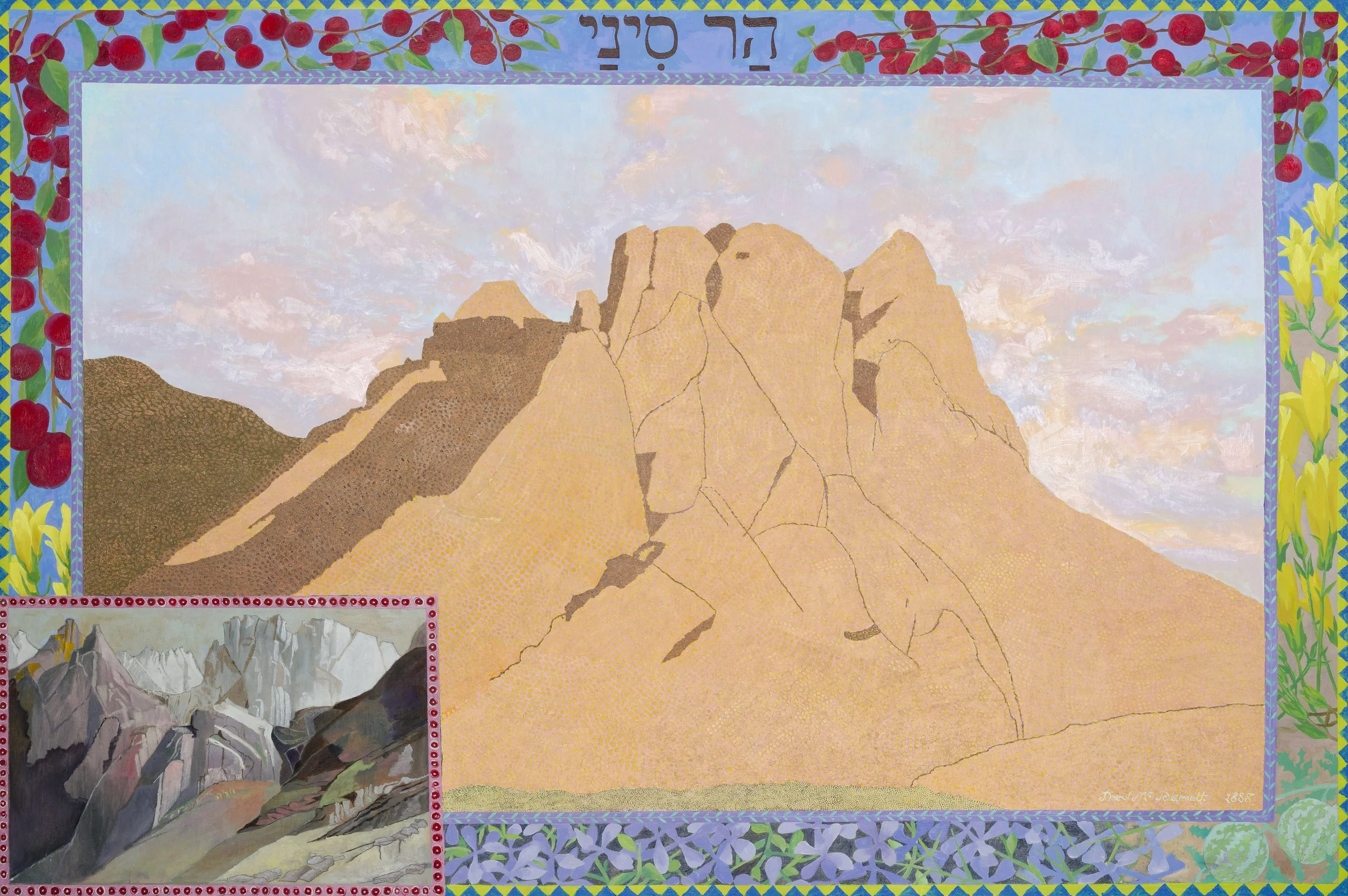
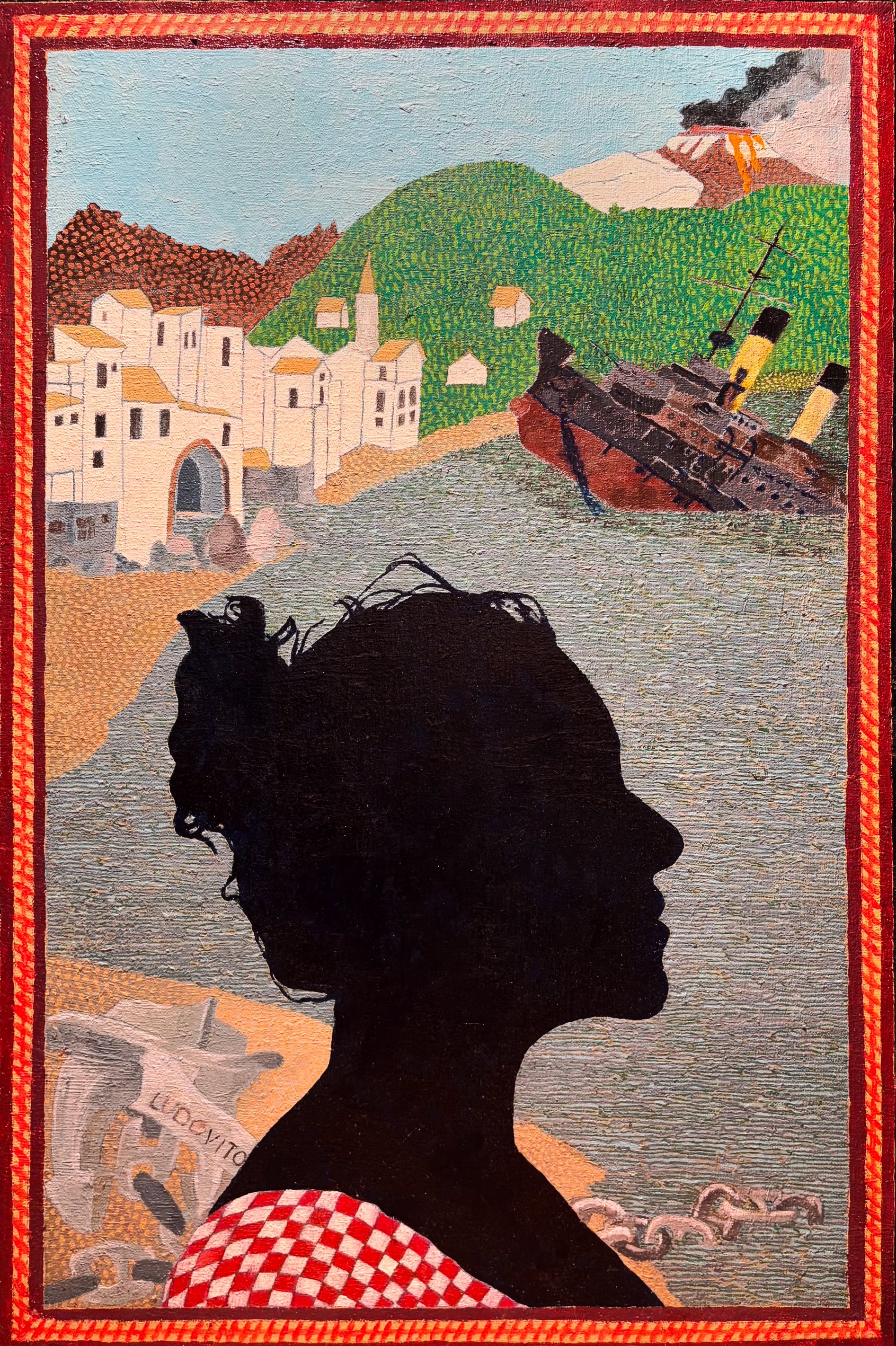
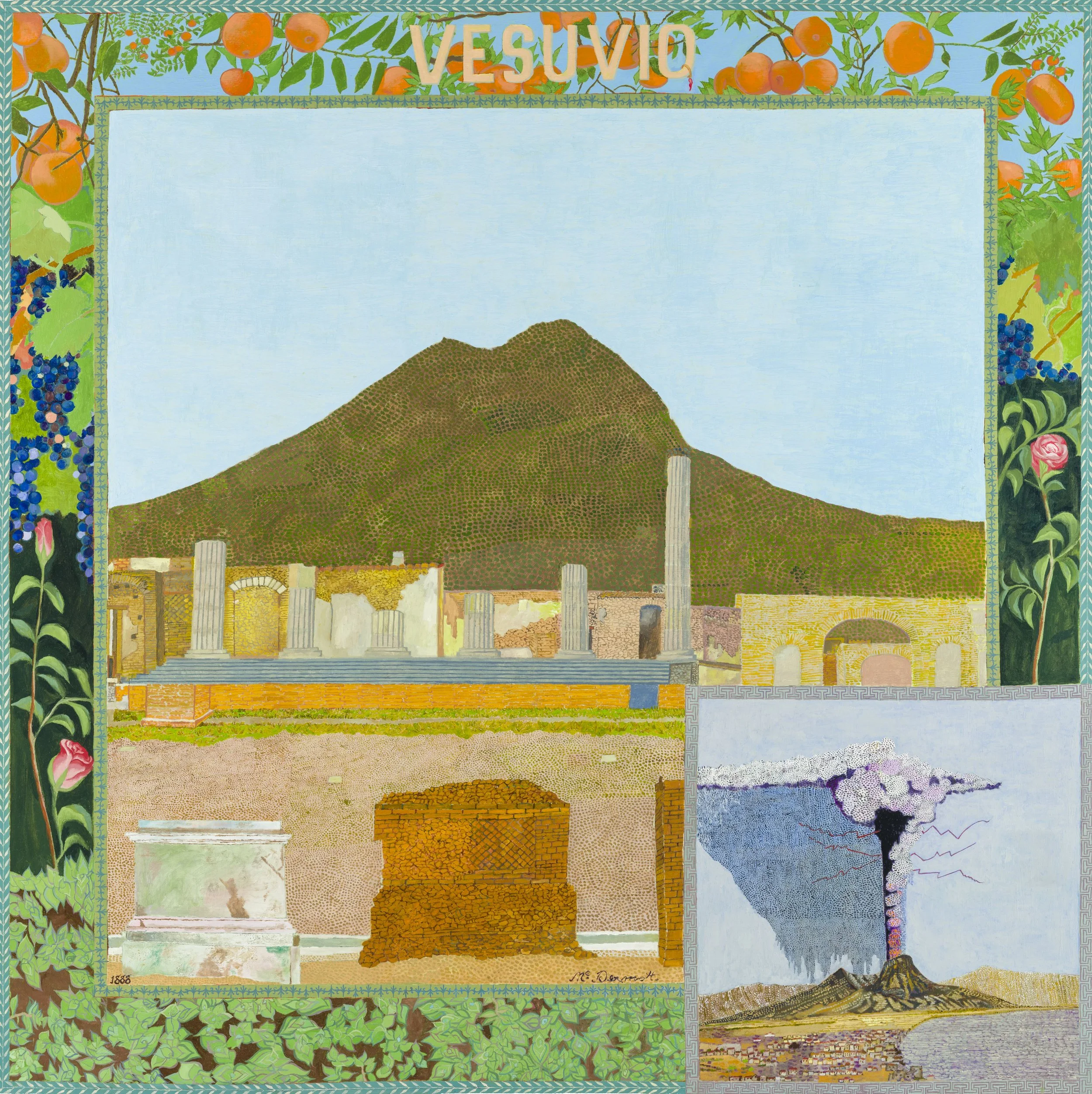
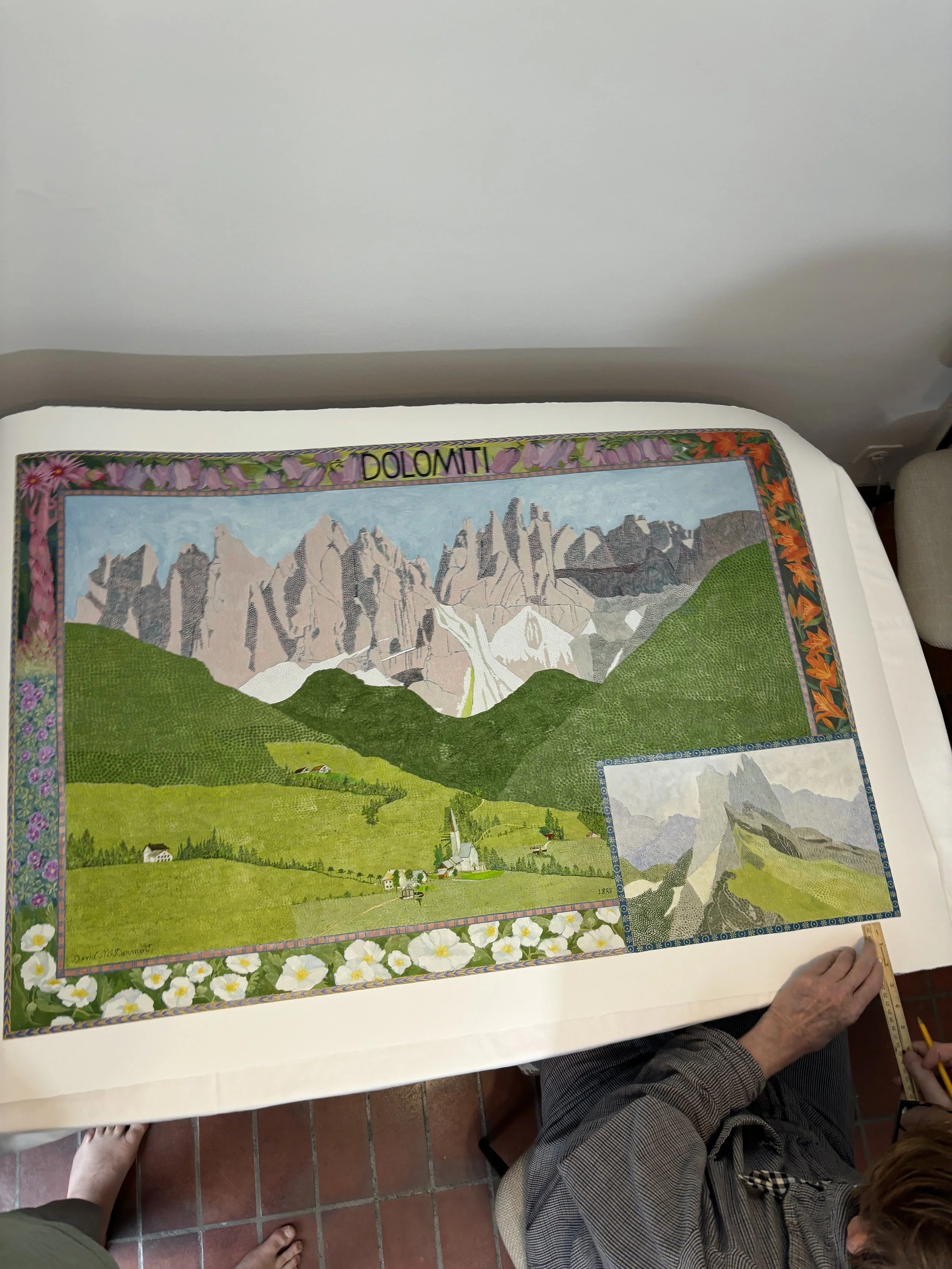
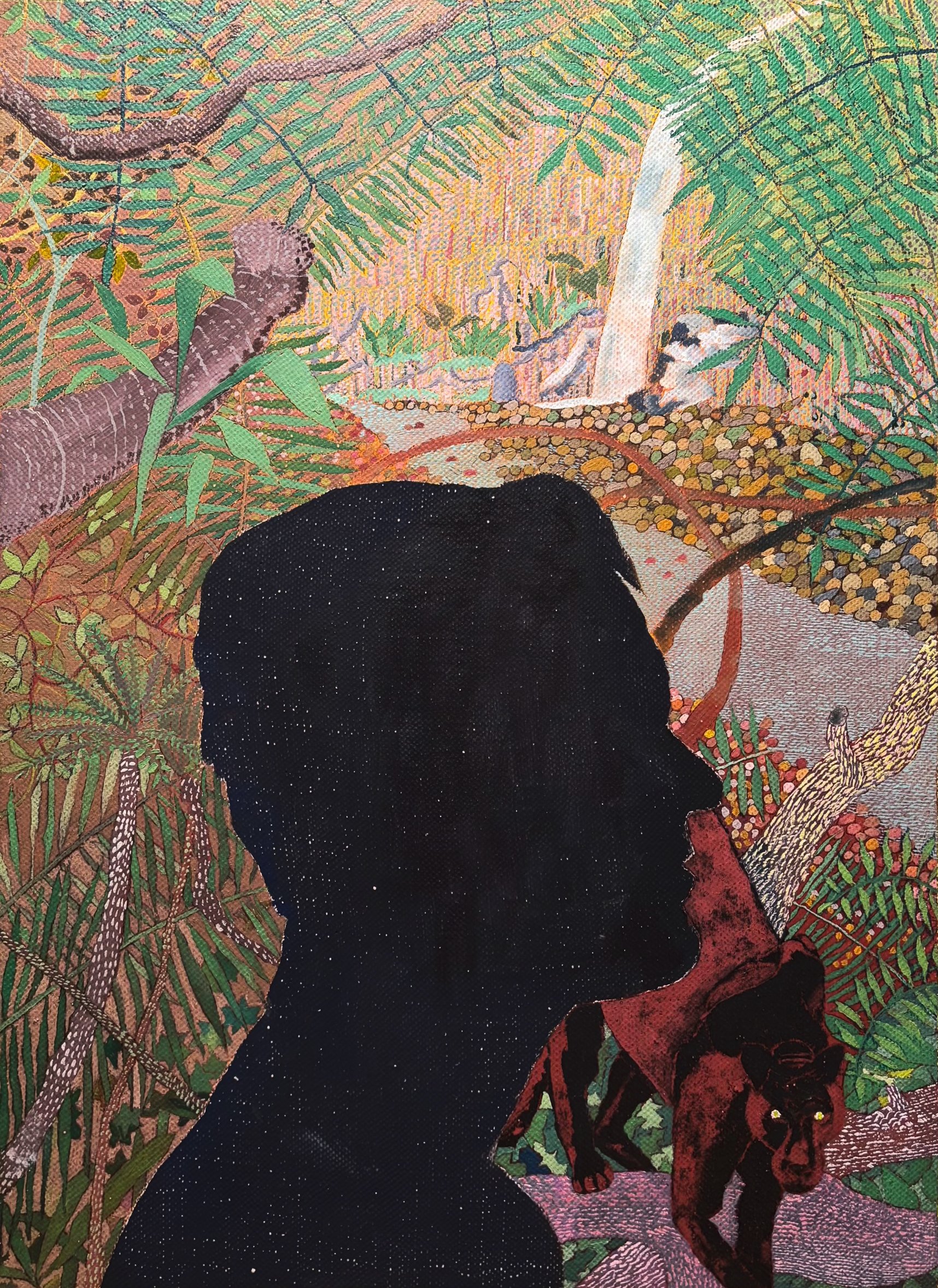
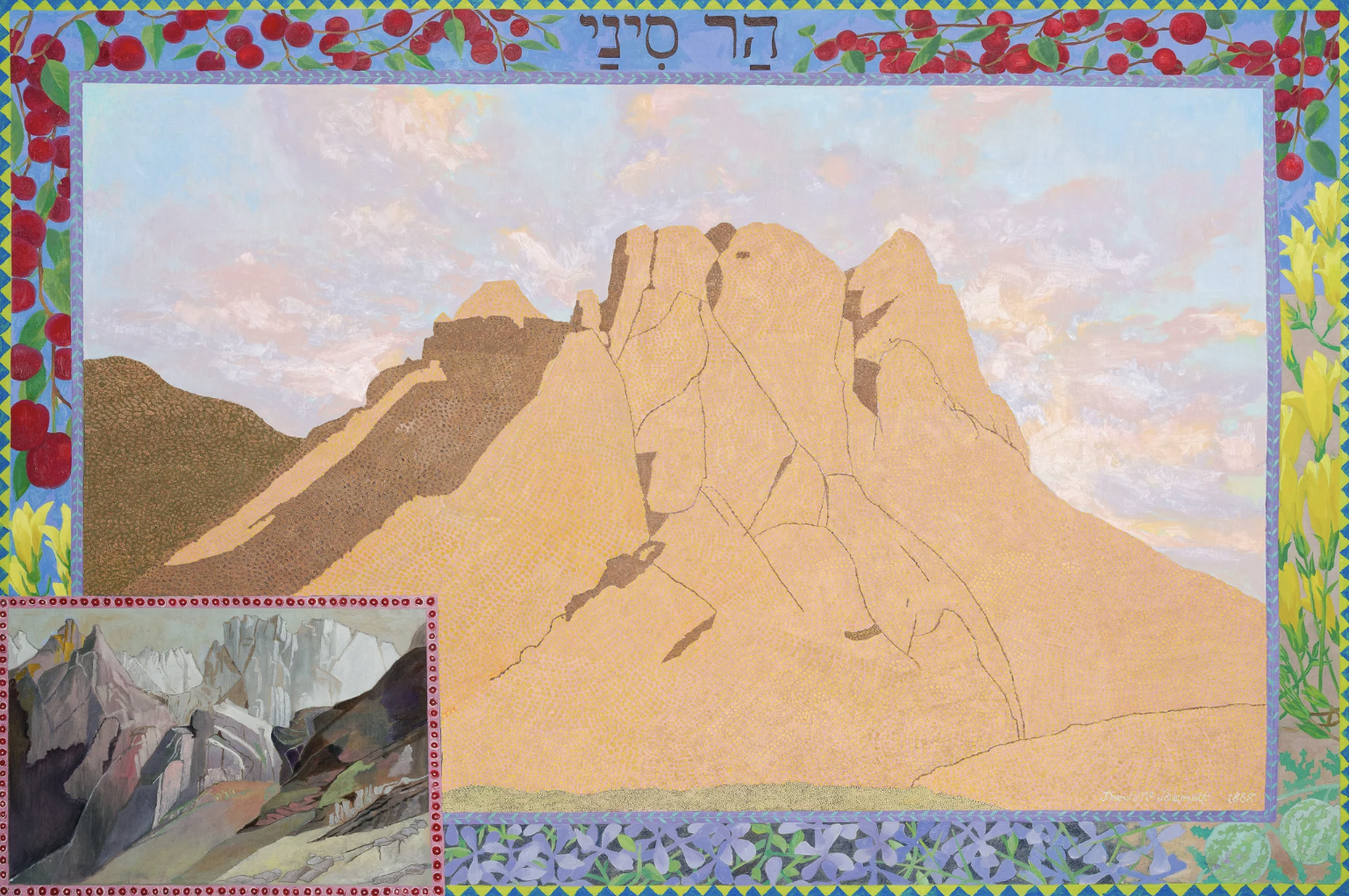
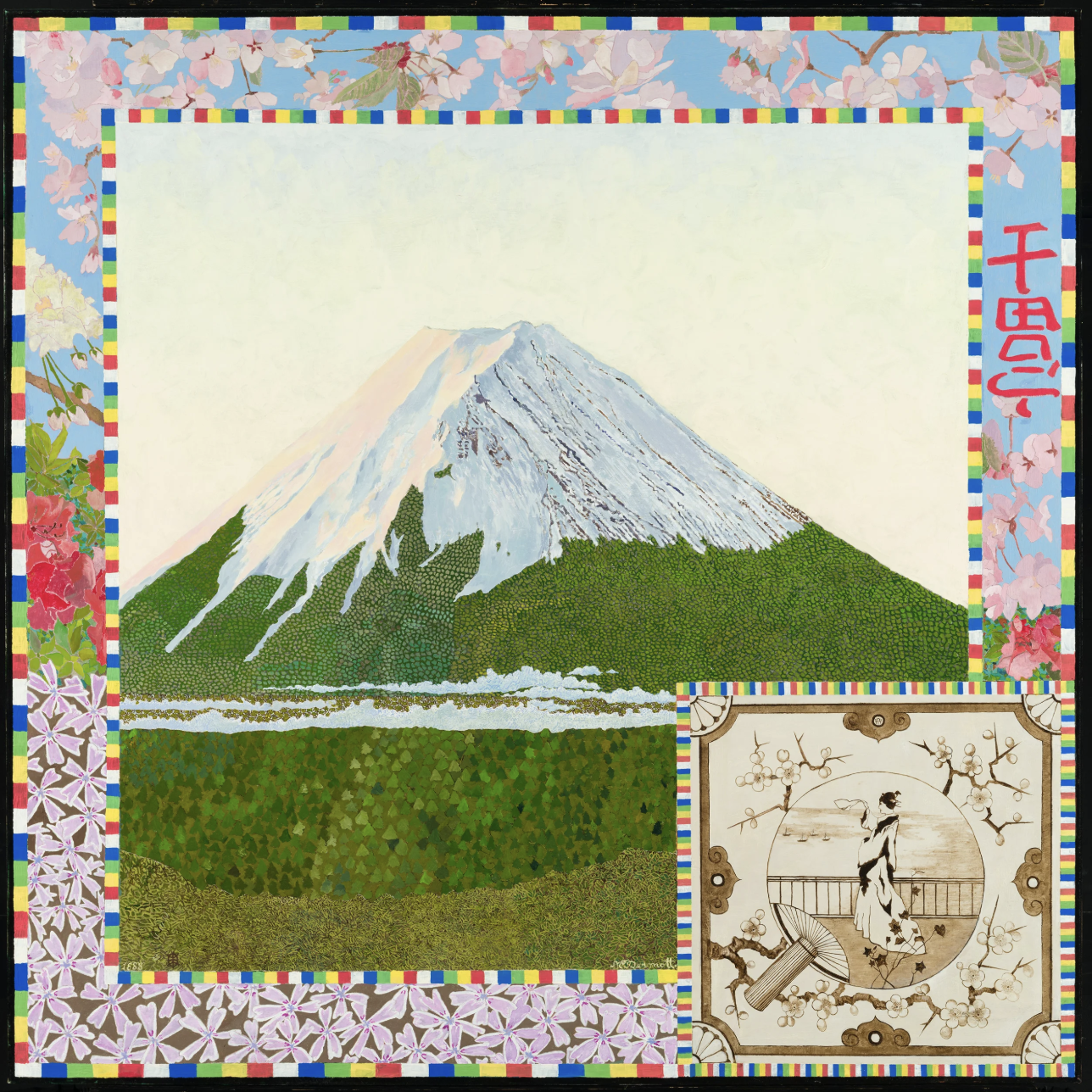
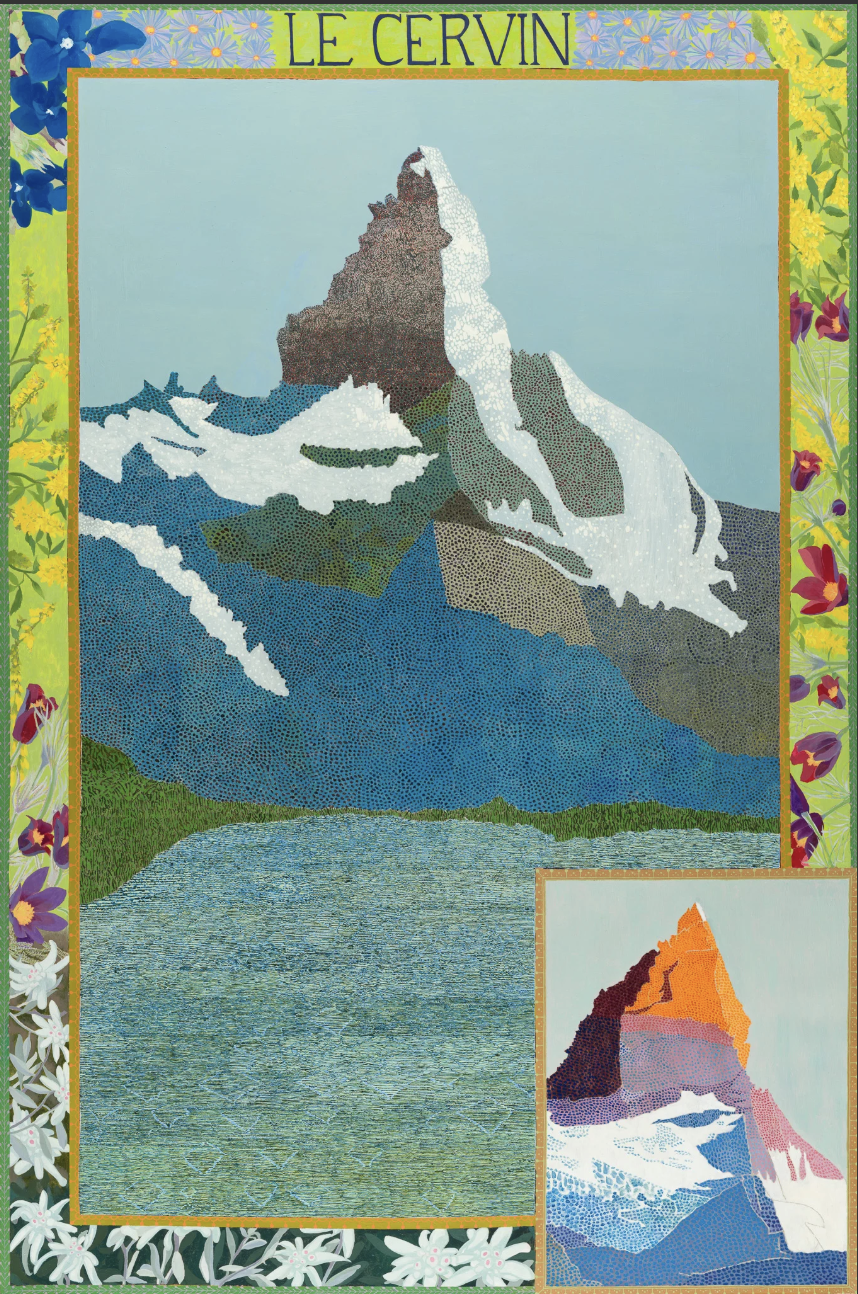
Lea Bischofberger Gallery is pleased to present From Nature & In the Light of Time, the first solo exhibition by American born artist David McDermott. The exhibition brings together the final painting from his series The Great Mountain Paintings 1888 and a presentation of his silhouette portraiture. It offers an insight into McDermott’s artistic practice, which has developed over five decades and is defined by his interest in historical techniques, the relationship between past and present, and the role of beauty in art.
Since the early 1980s, McDermott (b. 1952, Hollywood, California) has developed a body of work that challenges conventional ideas of artistic progress and modernity. His practice evokes the romantic and spiritual legacy of the Aesthetic Movement: art made not for utility but for wonder. Rather than approaching history as a source of visual references alone, McDermott incorporates historical methods, materials, and ways of thinking into his work.
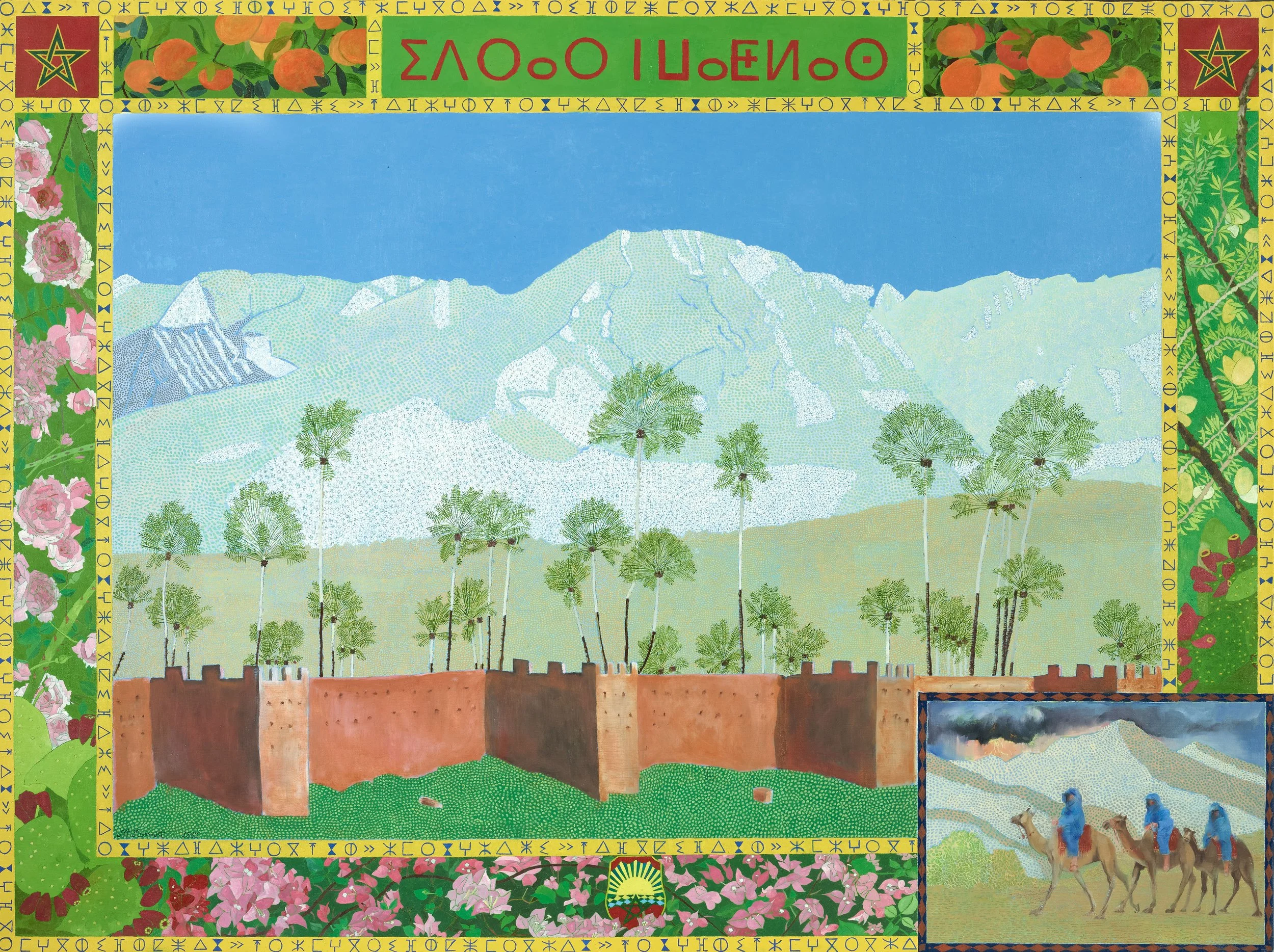
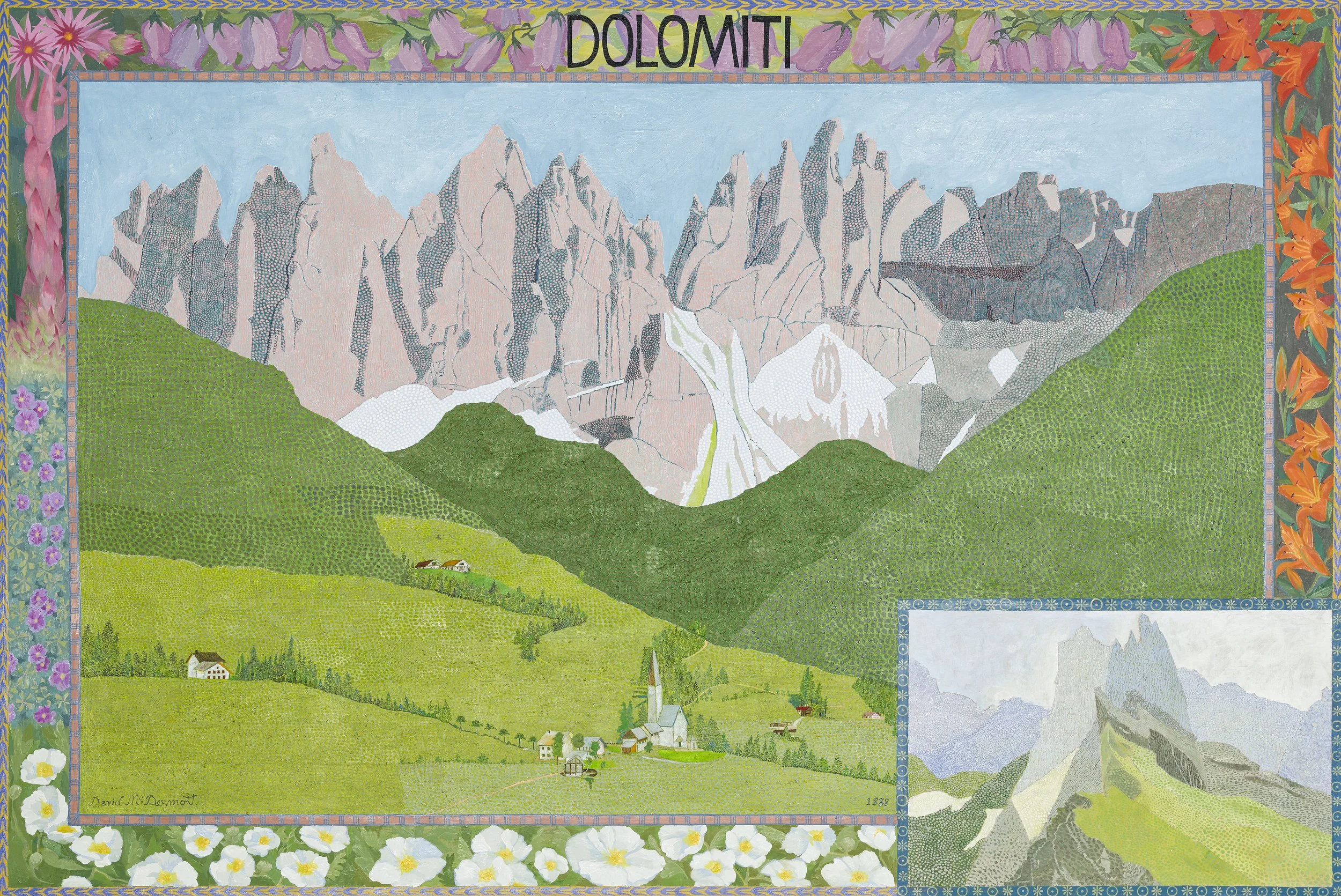
The exhibition focuses in part on The Great Mountain Paintings 1888, a series that McDermott began in St. Moritz, presenting the original painting The Great Atlas Mountains, the final work in the series, alongside a complete print edition featuring all the mountain paintings. Throughout art history, mountains have been represented as places of spiritual significance, geographical exploration, and human ambition. During the 19th century, they became particularly important subjects for artists interested in nature, the sublime, and the relationship between humanity and the natural world. McDermott revisits this tradition through a series of mountain landscapes that combine geographical references with his own interpretation of their historical, spiritual and cultural significance.
At the centre of the exhibition is the original painting The Great Atlas Mountains, depicting the mountain range that extends across North Africa. Seen from Marrakech at dawn, the snow-covered Atlas Mountains emerge beyond the city’s ochre walls and tall palm trees. The distant peaks appear suspended between cultivated land, desert and blue sky, creating an image that is simultaneously geographical, historical and dreamlike.
The elaborate border draws together plants associated with Morocco. Branches laden with oranges extend across the upper edge. Pink roses climb the left side, while prickly pear cactus, with its broad green pads and red fruit, occupies the lower corner. Masses of pink and crimson bougainvillea spread across the bottom. On the right, leafy branches bearing small yellow fruit appear to represent the indigenous argan tree. The botanical imagery is interwoven with Amazigh-inspired script and ornament, Moroccan flags and references to the Alaouite royal coat of arms. A smaller inset depicting camel riders evokes travel, trade and the long human histories carried across the landscape.
Alongside the mountain works, the exhibition presents a selection of McDermott’s silhouette paintings. Silhouette portraiture became particularly popular during the 18th and 19th centuries, offering a means of recording an individual’s likeness through the outline of the head and figure. Before photography became widely accessible, silhouettes served as personal portraits, family records, and objects of remembrance. This exhibition presents a selection of commissioned silhouettes at various stages of completion, from works in progress to finished pieces.
An important aspect of McDermott’s practice is his commitment to traditional painting techniques and materials. His mountain paintings are produced using lead-primed Italian linen, grounds prepared with powdered marble, and natural pigments. The preparation of each surface and the mixing and application of colour form an essential part of his working process. These methods, associated with historical painting practices, are not simply technical choices but reflect his broader devotion to art that was made in earlier periods.
Through this approach, McDermott establishes a direct relationship between the physical construction of an artwork and the historical traditions that inform its subject.
McDermott first gained international recognition through his collaboration with Peter McGough, with whom he founded the artistic duo McDermott & McGough in 1980. Together, they became known for their striking use of 19th-century photographic processes, including cyanotype, gum bichromate, salt, tricolor carbon, platinum, and palladium prints, and for their exploration of themes ranging from advertising, fashion, and religion to medicine and sexuality. Their work has been shown in major institutions including the Whitney Museum of American Art (New York), the New Museum (New York), the Centre Pompidou (Paris), Kunsthalle Wien (Vienna), and the Irish Museum of Modern Art (Dublin), among many others. They participated in the Whitney Biennial in 1987, 1991, and 1995, and were honored with a mid-career retrospective at the Provincial Museum voor Moderne Kunst in Oostende, Belgium.
In his independent practice, McDermott has continued to develop these interests, immersing himself in a life devoted to art and historical inquiry. Now living and working between Ireland, Switzerland, and Italy, McDermott continues to forge a deeply personal and temporal practice rooted in the past yet vividly resonant today.
An artist of singular vision, McDermott’s work is an ongoing experiment in time travel: painting, living, and thinking within the imagined parameters of another era. His approach constructs immersive historical fictions through rigorous research, traditional techniques, and conceptual devotion to the aesthetics of bygone periods.
By bringing together The Great Mountain Paintings 1888 and the silhouette paintings, the exhibition at Lea Bischofberger Gallery presents two different aspects of McDermott’s practice. Although they differ in subject and format, both reflect his continued engagement with the history of representation, the use of traditional materials, and the possibilities of working with artistic forms from the past.