18 SEPTEMBER 2026 - 31 AUGUST 2026
VERNISSAGE
18 SEPTEMBER 5 - 8 PM
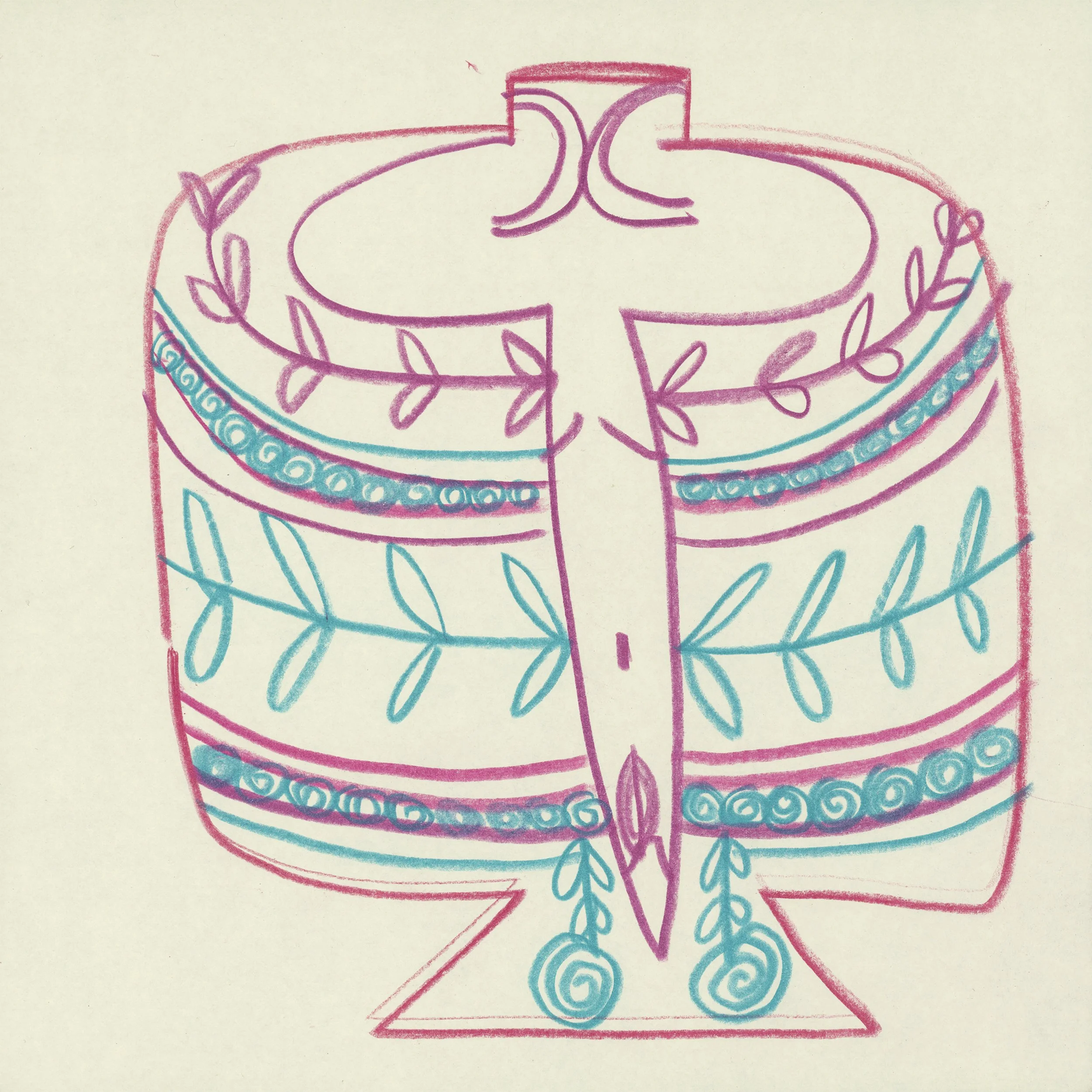
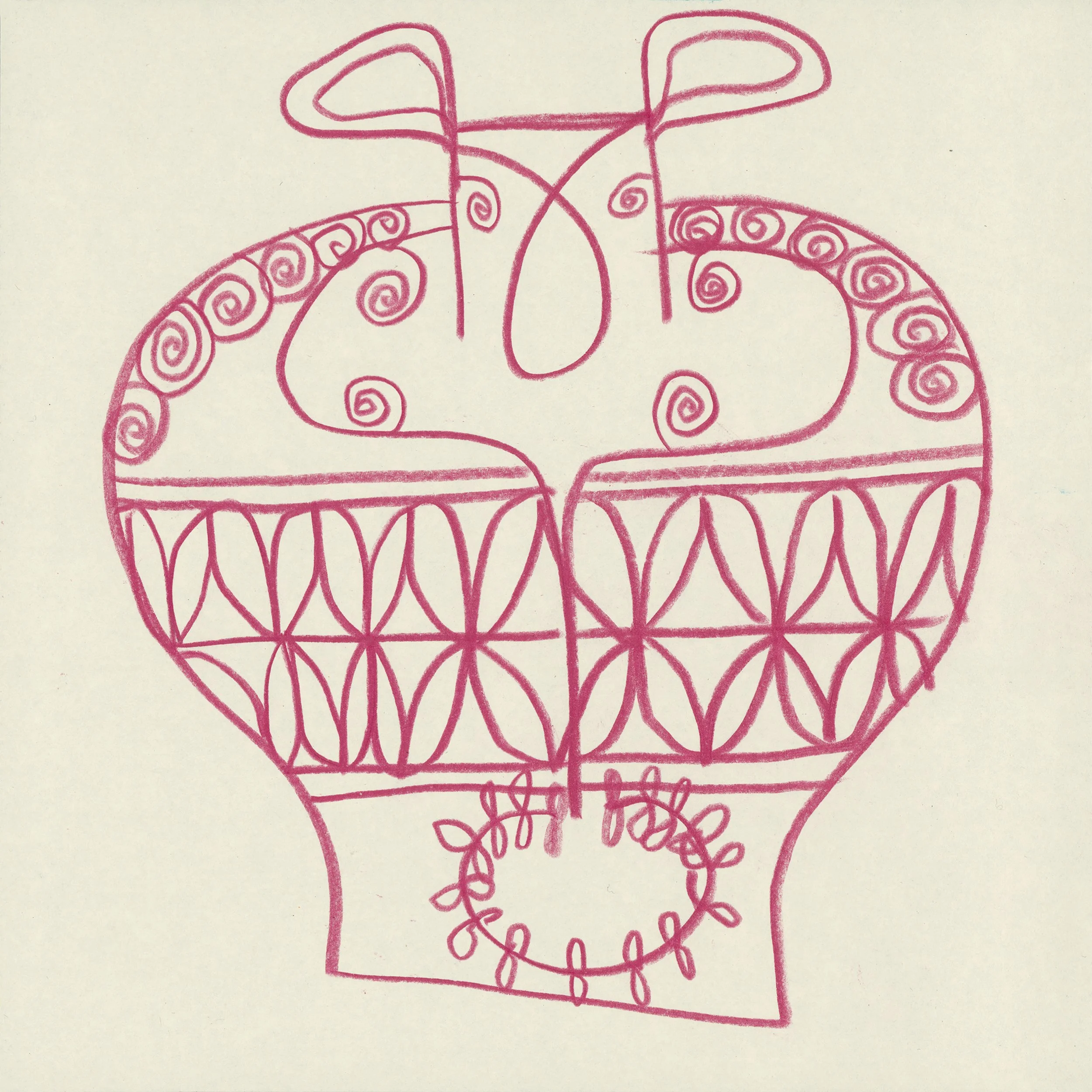
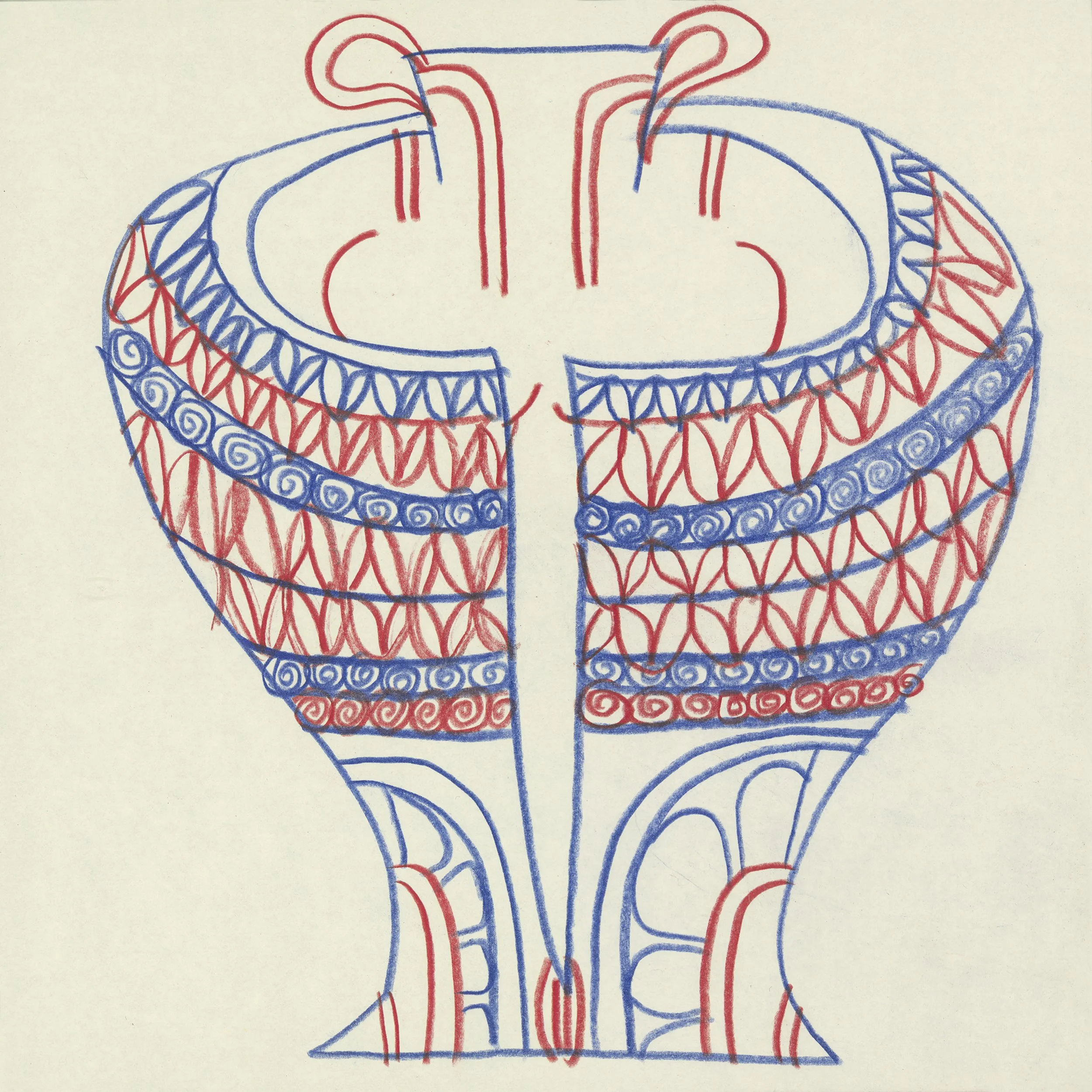
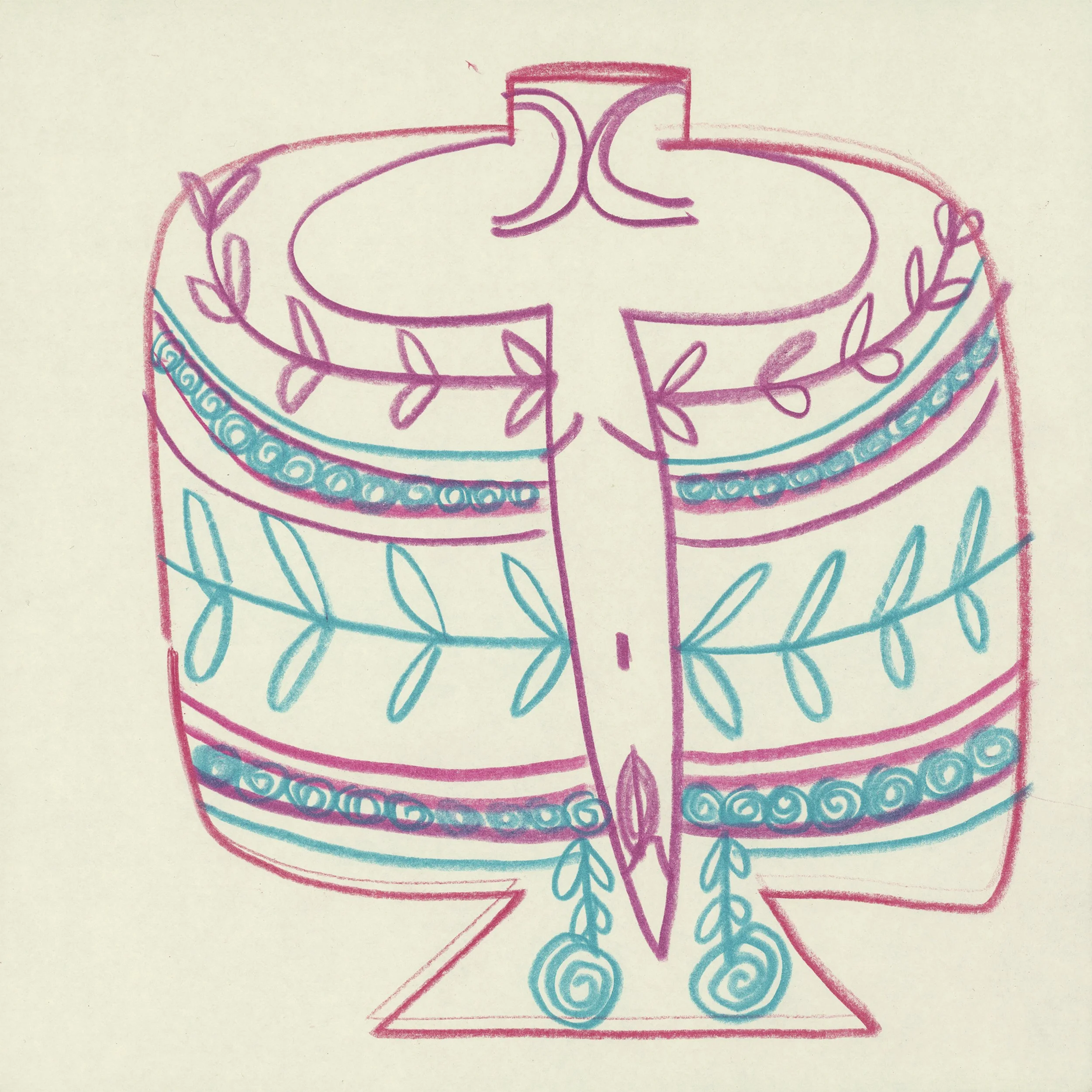
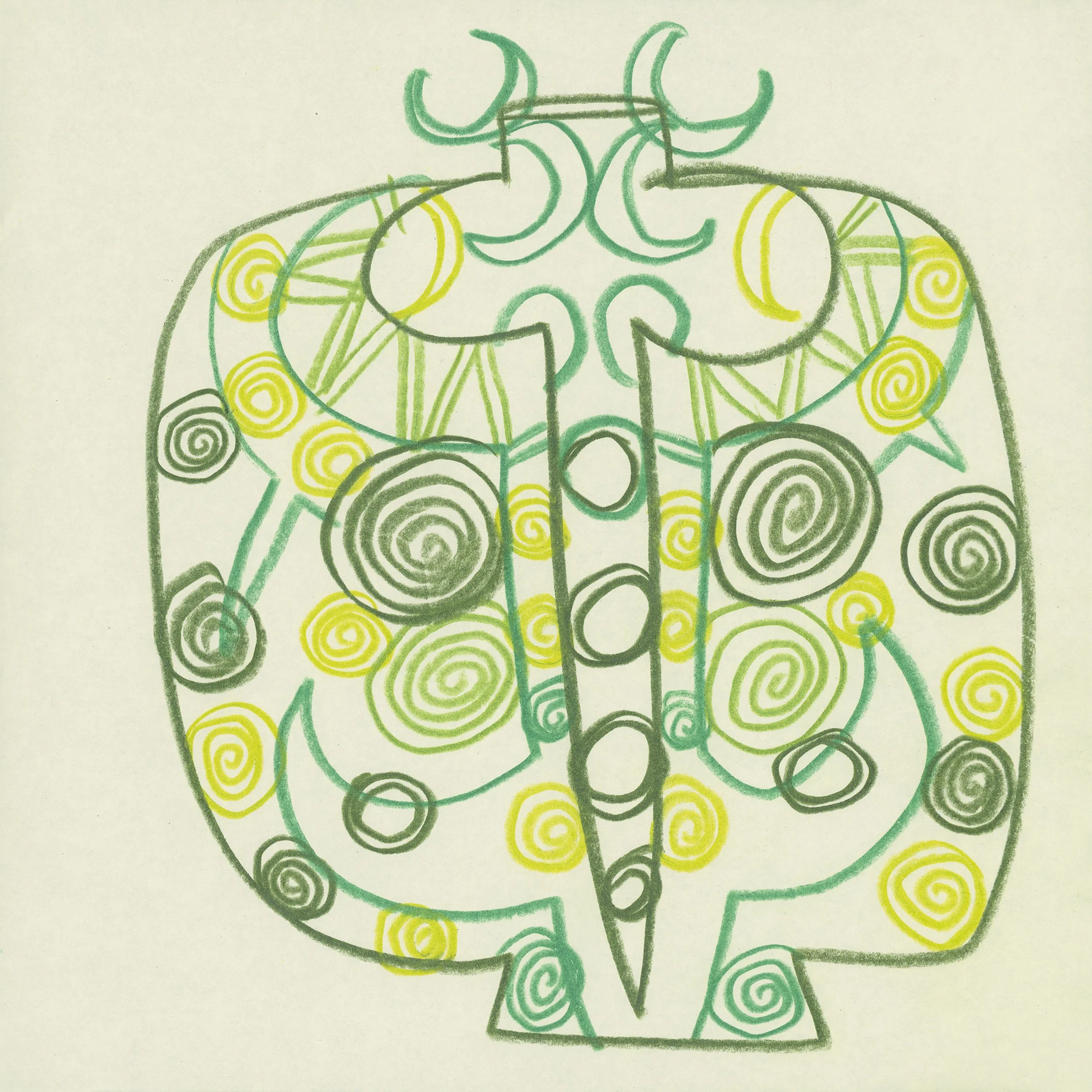
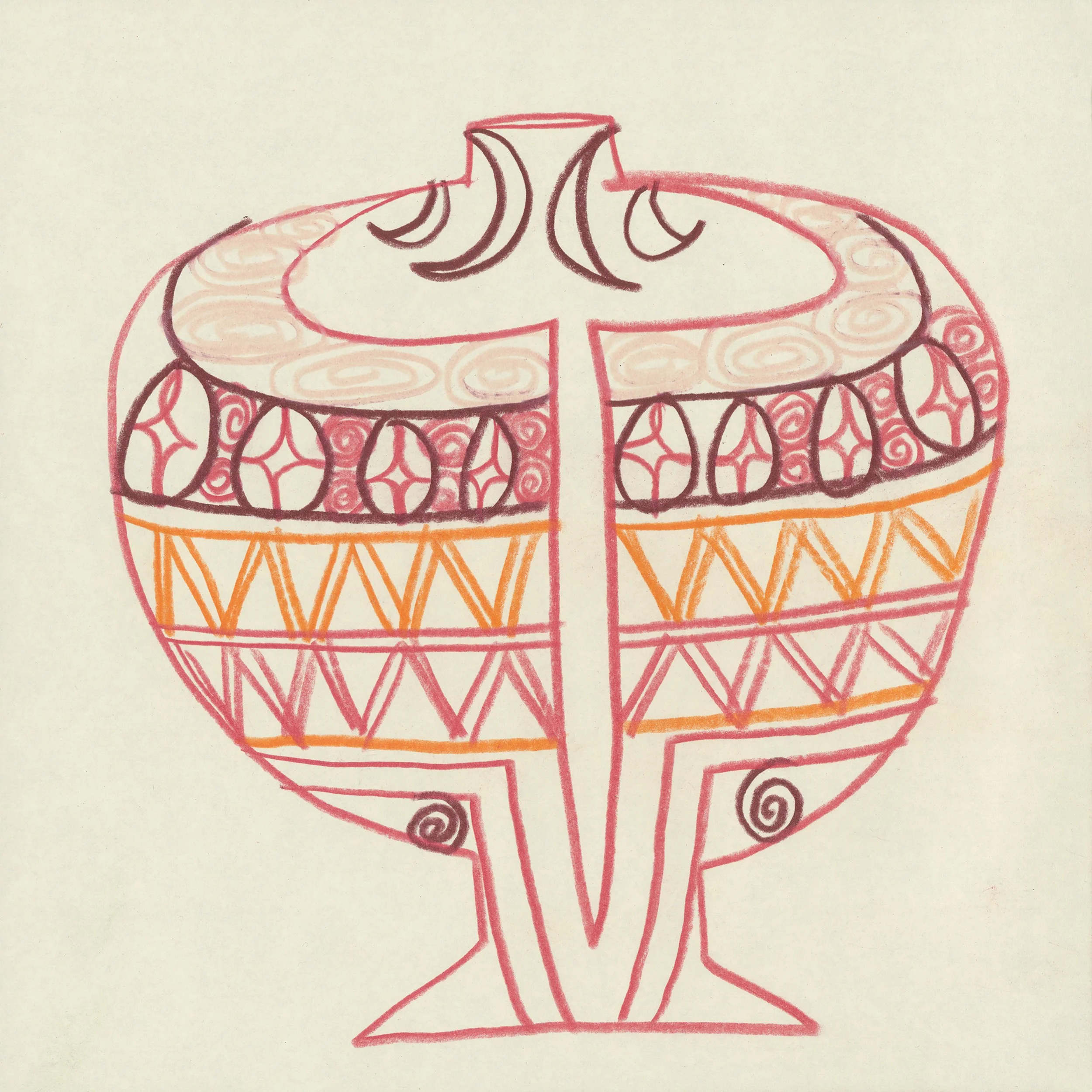
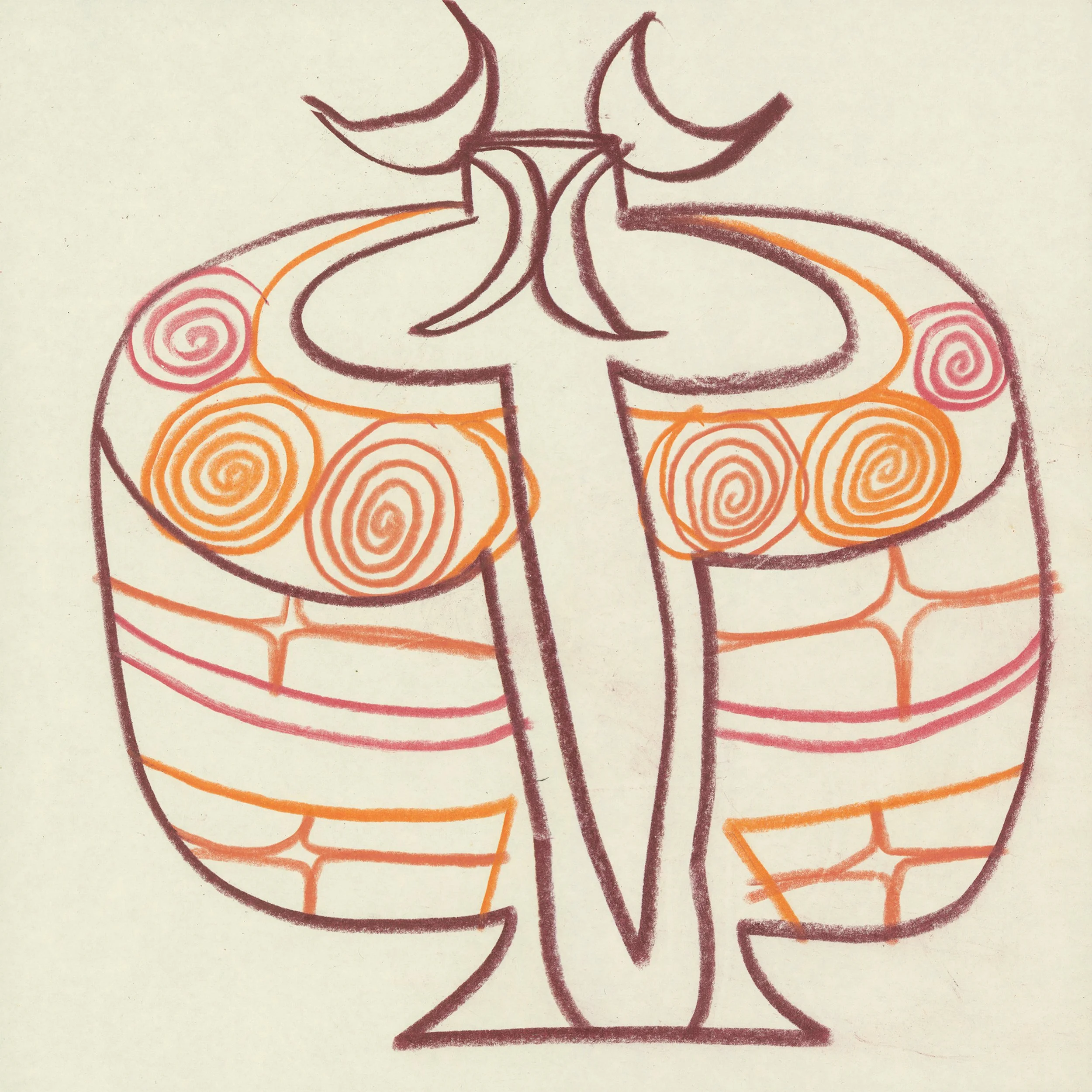
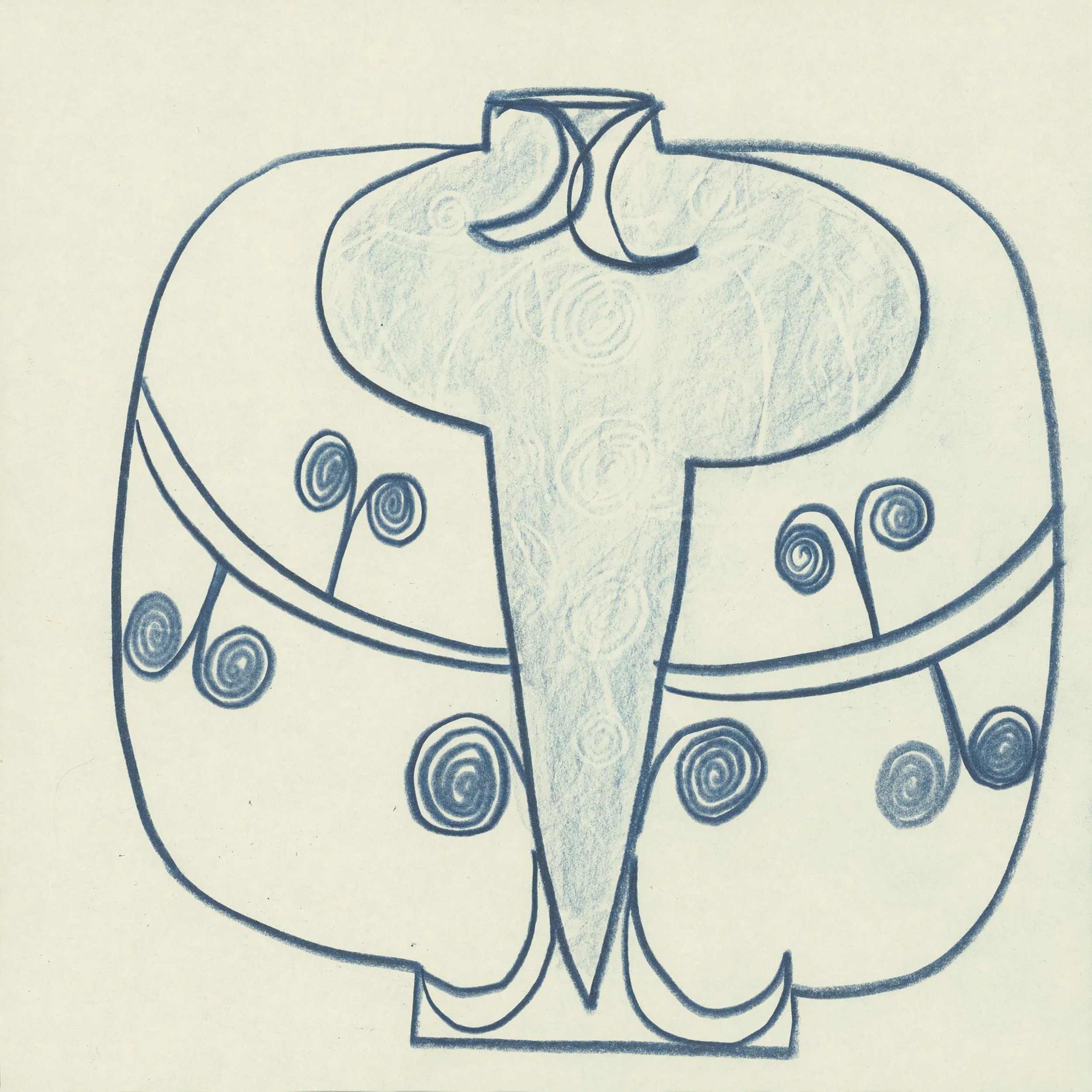
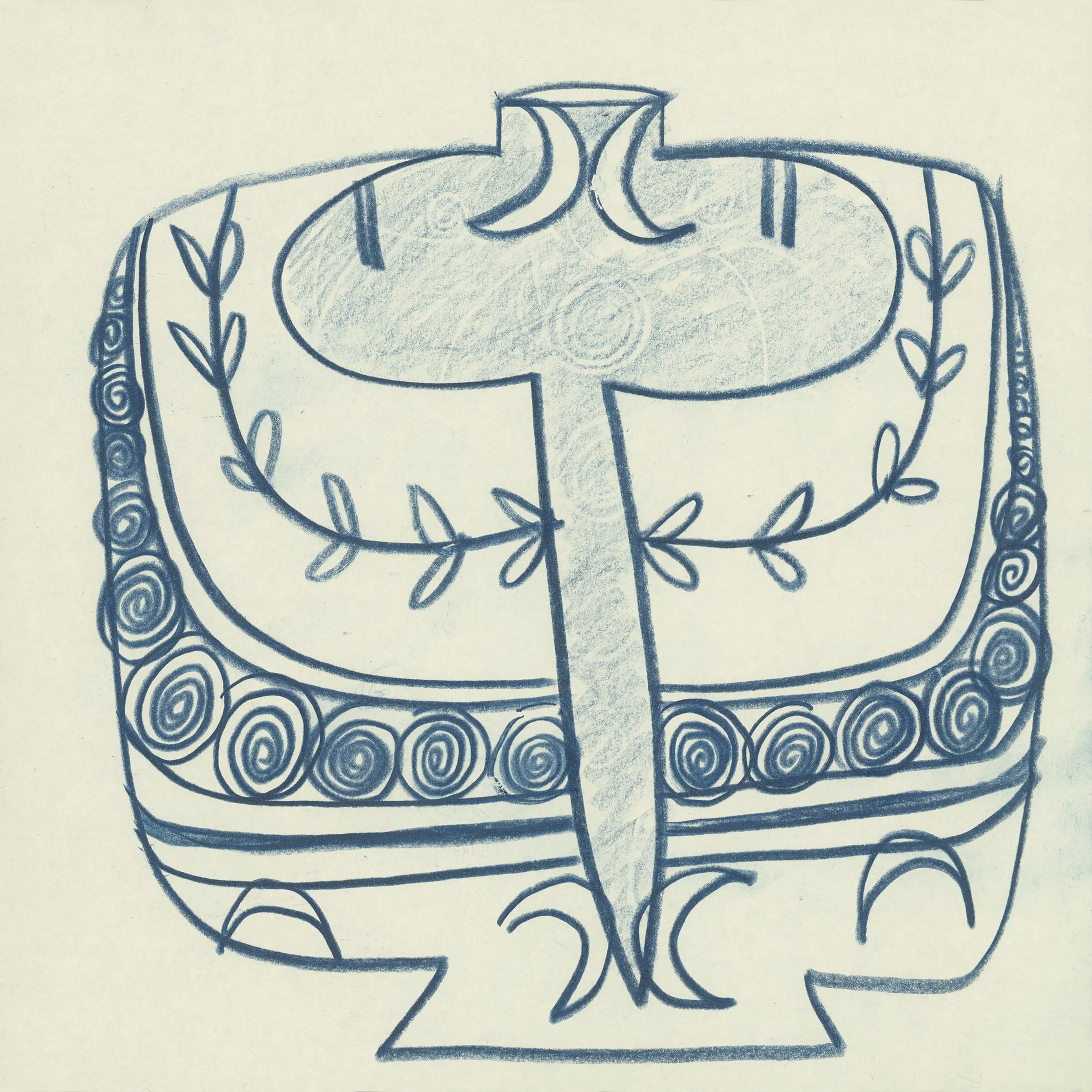
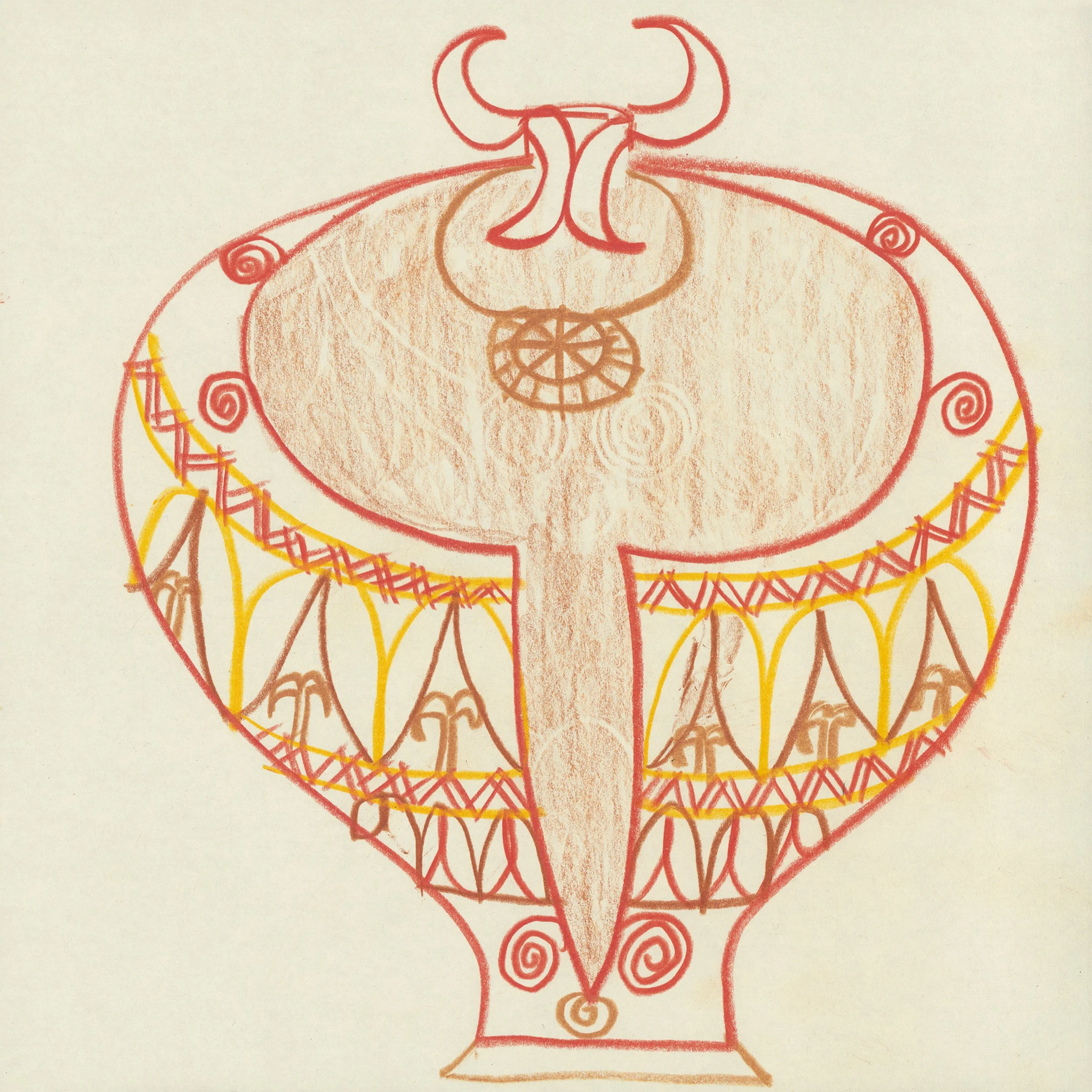
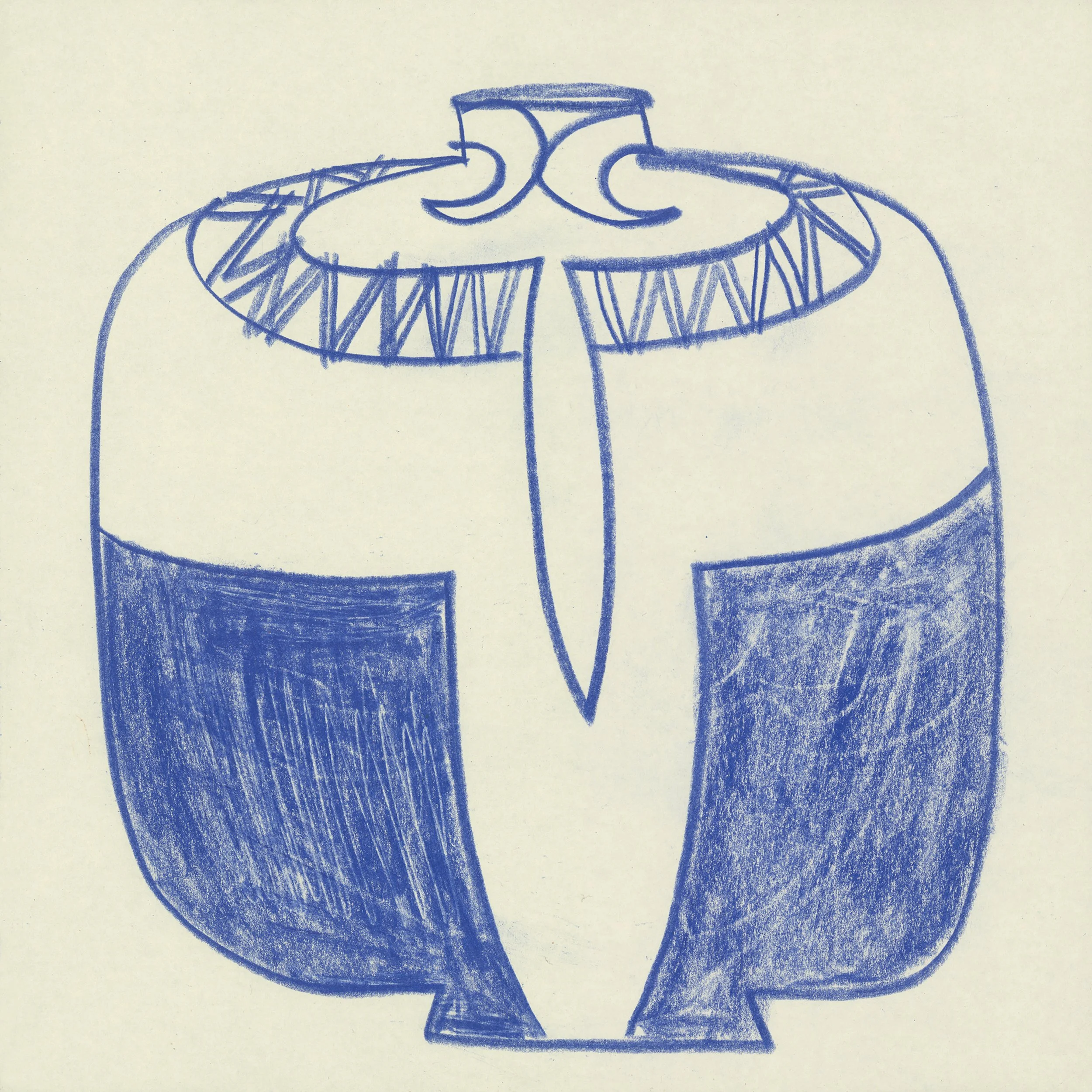
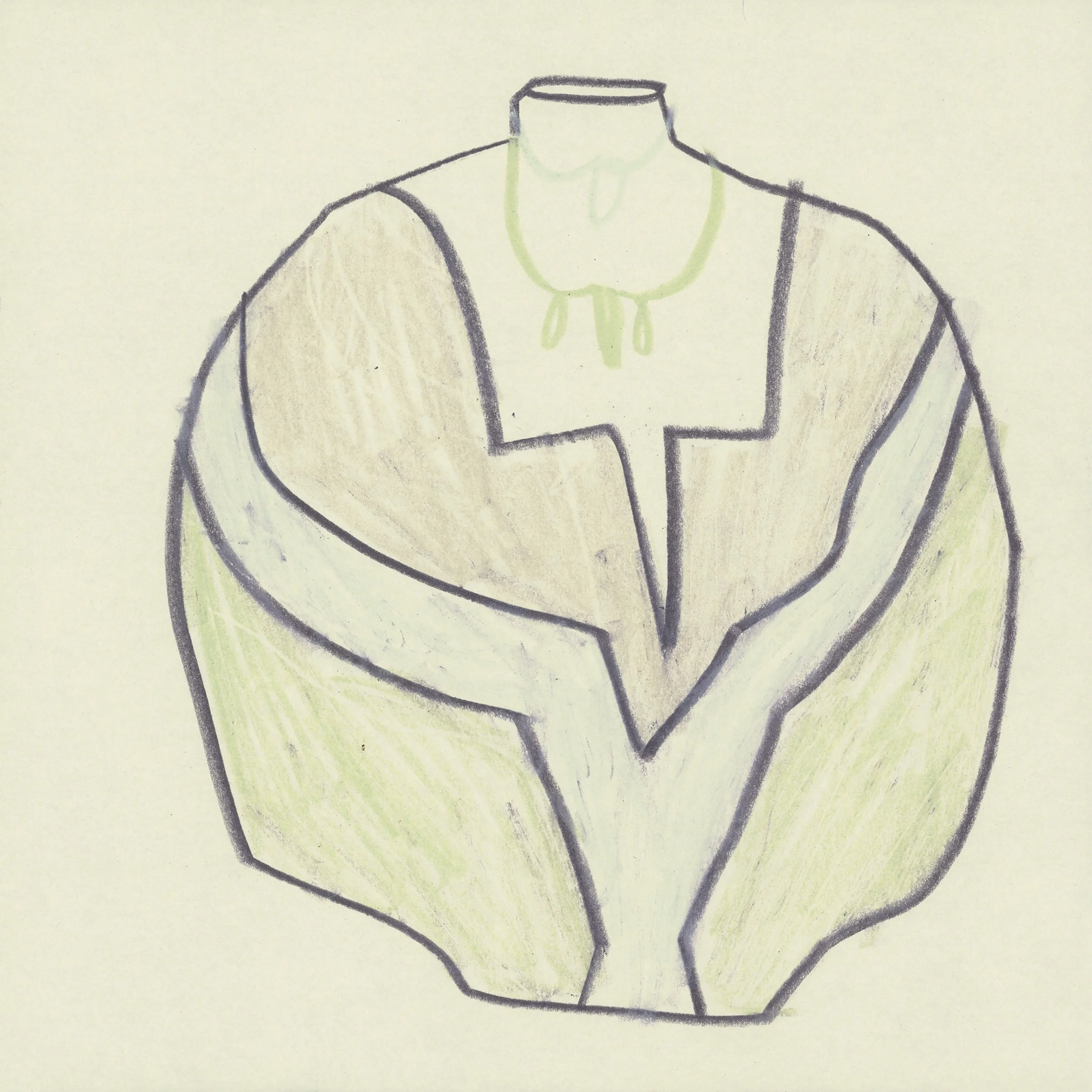
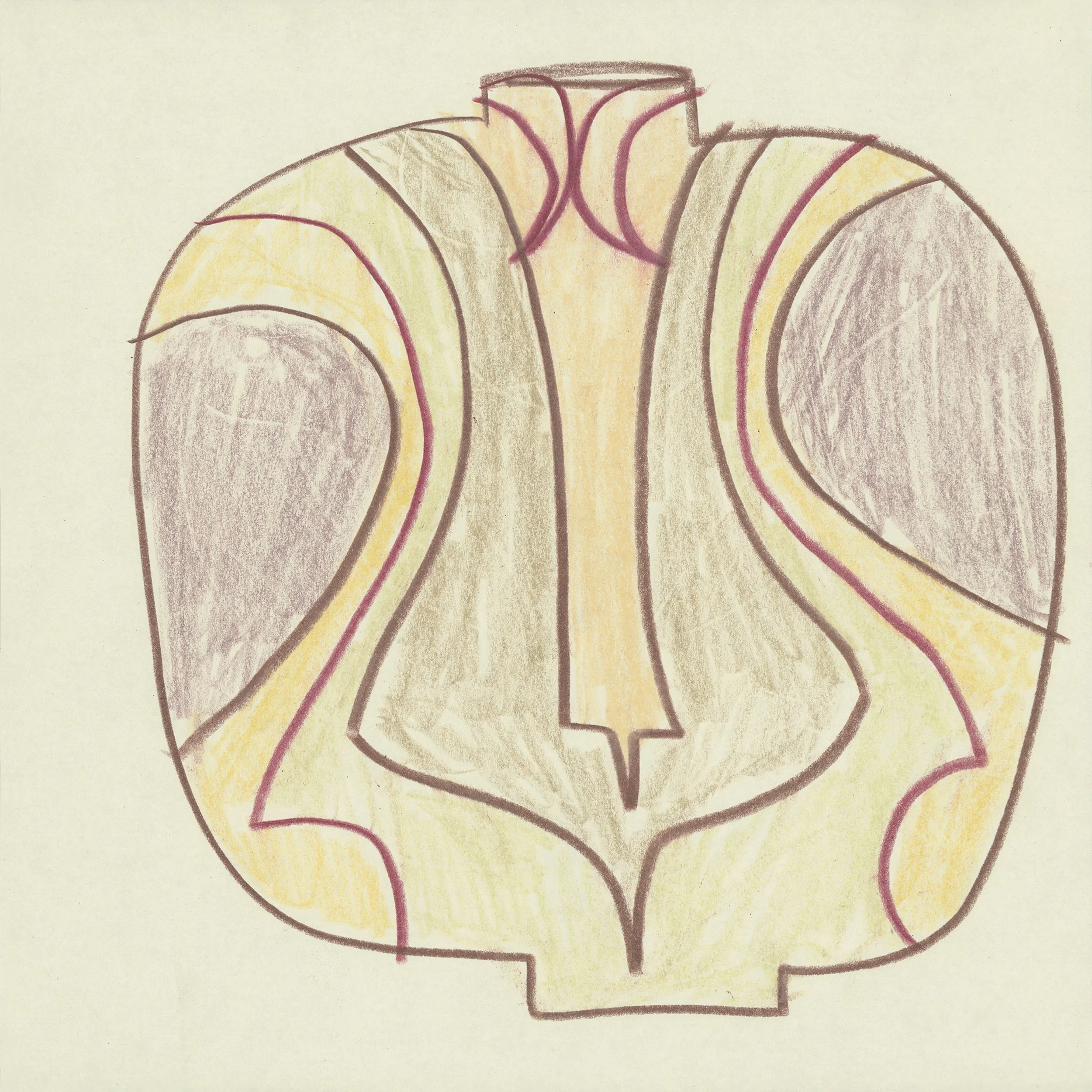
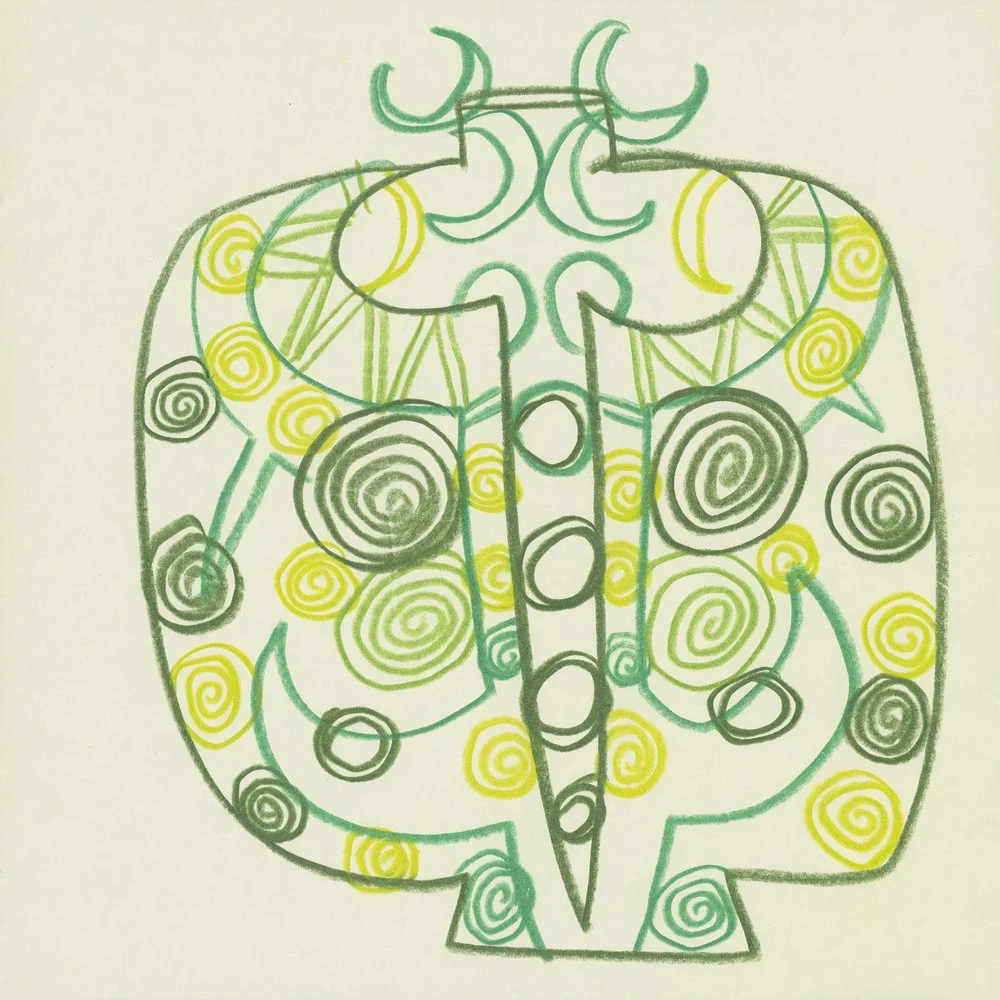
Vessels began with a return to drawing. After years of working primarily as a performing and installation sound artist, Jasmin Blasco began a daily practice of drawing: an open and improvisational process without a predetermined outcome. Working in compact sketchbooks with simple materials that could travel with him, he allowed forms to develop through repetition.
Following the death of his father in August 2023, one form began to recur—the vessel. Its appearance was not entirely accidental. In the days surrounding his father’s cremation, Blasco found himself thinking about the urn as an object: about its capacity to contain a life and the strange inadequacy of the available urns to perform such a task. He returned to the ancient Greek ceramics his father had introduced him to throughout his childhood.
Blasco’s father, Claude, had a close affinity with ceramics, which was deeply tied to his own upbringing. Pablo Picasso, Claude’s father, was deeply engaged with the medium during Claude’s childhood. These associations were not something Blasco deliberately drew upon, but remained in the background as the vessels appeared page by page.
Rather than consciously setting out to make a body of work about grief, Blasco followed the form as it appeared. From late 2023 into September 2024, the vessel became the only image that he drew, producing several each day.
Each drawing begins within a set of deliberately limited conditions: paper, coloured pencil and a repeated gesture. Within those parameters, however, the image develops freely. Blasco describes his approach as one of designing the process rather than planning the outcome, thereby creating a structure within which he is free to improvise.
The daily vessel drawings provided a way of allowing grief to move through his body—not with the intention of finding resolution, but perhaps simply by hosting it, observing it and recording its movements.
As Blasco describes it, grief is less about letting go than about “nursing your heart” until it can become more at ease. The drawing practice gave form to this experience.
For the exhibition Vessels, individual drawings are taken from the intimacy of the artist’s sketchbook and presented on a gallery wall for the first time.
Alongside them, a signed and numbered publication reproduces one of the sketchbooks in its entirety. Leafing through its pages offers a different encounter with the work, allowing the drawings to be experienced as they were created.
The exhibition is accompanied by a vinyl record containing two sound works, Water and Ash. Created through a similarly improvisational process, the compositions use guitar equipment without a guitar—what Blasco describes as a kind of “ghost guitar.” Using a tone generator, looping pedal and effects, Blasco produced slow-moving sonic landscapes that evoke a space whose boundaries seem to fall ever further out of reach. Although these sound works preceded the drawings, Blasco later recognised in them the same emotional and procedural language.
There is no definitive vessel within the series, just as there is no final point the work attempts to reach. The drawings, the book and the soundscape remain forever open-ended, reflecting Blasco’s interest in a practice that allows itself to unfold by peering into the unknown.